
Acne and pimples: causes and when to see a dermatologist
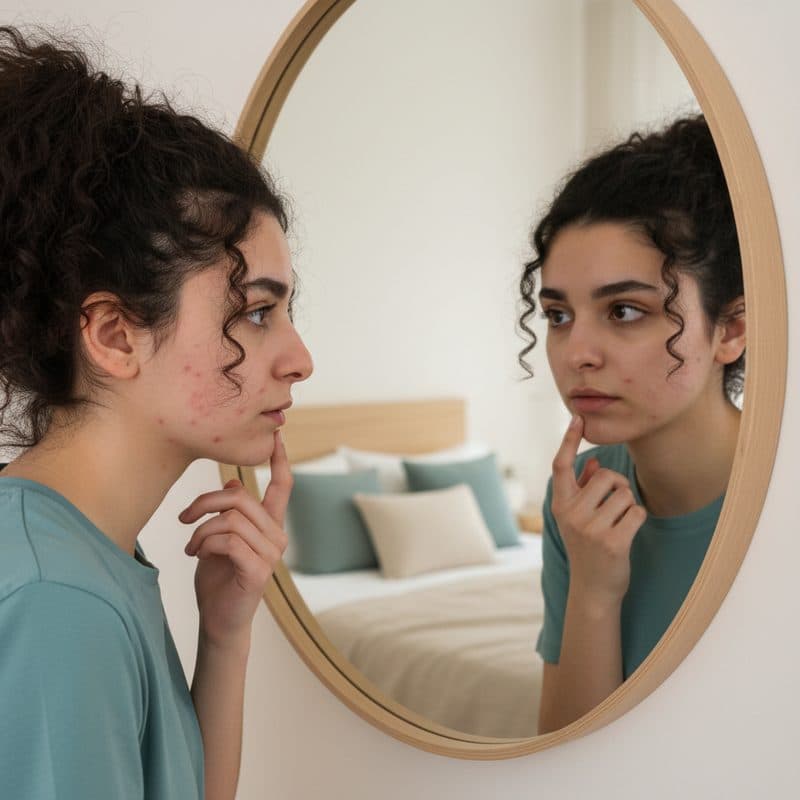
Acne (pimples on the face, chest and back) is not "just a phase" and not a hygiene issue — it is a skin condition that can be treated. Modern dermatology copes even with severe forms: the earlier you start, the fewer marks are left on the skin.
Common causes
- Hormonal changes — adolescence, the cycle, pregnancy
- Excess sebum and clogged pores
- Family predisposition
- Pore-clogging cosmetics
- Stress; in some people — dietary factors
When to seek urgent help
Do not wait for a scheduled visit if you have any of these signs:
- Painful deep nodules that leave scars
- Breakouts with fever and feeling unwell
- A sudden rash after starting a new medicine
- A facial abscess with rapidly growing swelling and redness
- Acne that appeared while taking hormonal medicines
Ambulance: 103 (103 from a mobile) · Unified rescue service: 911
Your specialist
Dermatologist
What to bring to the visit
- A list of cosmetics and skincare products you use
- A list of acne remedies you have already tried
- For women — details of the cycle and hormonal medicines
- Hormone test results, if you have had them
Frequently asked questions
What is acne and why do pimples appear?
Acne is a condition of the hair follicles and oil glands: pores get clogged with oil and dead skin cells, bacteria multiply in them, and blackheads, inflamed pimples and, in severe cases, deep painful lumps appear. It most often starts in the teenage years because of hormonal changes, but adults get it too — for example, before a period, during pregnancy or from some medicines. A dermatologist assesses the type and severity of acne.
Hormonal acne: dermatologist, gynecologist or endocrinologist?
Start with a dermatologist: they will assess the breakouts and decide whether hormone tests are needed — not everyone needs them. If acne comes with irregular periods or excess hair growth on the face and body, you may also need a gynecologist or endocrinologist: such signs occur, for example, in polycystic ovary syndrome.
Pimples on the back and chest: is that acne too?
Yes, acne often appears not only on the face but also on the chest and back. See a dermatologist for these too: other skin conditions can cause acne-like spots, and a doctor can tell them apart. Do not squeeze pimples, as this raises the risk of scarring.
Do facial cleansing procedures help?
Cleansing and skincare are supportive measures. The main treatment is chosen by a dermatologist based on the type and severity of acne; self-treatment often ends in scars.
Marks and scars left after acne: who should I see?
A dermatologist. First, new breakouts need to be stopped: scar treatment usually starts once acne is under control. Then the doctor will assess the marks and suggest which procedures may suit you.
Baby acne: who should I see?
A pediatrician, and do not put off the visit: any rash in a baby under 3 months should be seen by a doctor, as only a doctor can tell baby acne from other rashes. Small pimples on the cheeks and nose in the first weeks of life usually clear up on their own within a few weeks or months; do not use acne products on them unless a doctor advises it and do not scrub the skin, and if the spots appear after 6 weeks of age, show them to a pediatric dermatologist. If your baby is listless, feeding poorly or has a fever, see a doctor urgently or call 103.
More in “Skin and hair”
- Hair loss
Dermatologist
The information on this page is for reference only and does not replace a doctor's consultation. Only a doctor can make a diagnosis in person. If your condition worsens, call 103.