
Knee pain: meniscus tear, osteoarthritis, arthritis — red flags and who to see
Knees hurt both in athletes and in older people — for different reasons: from overuse to osteoarthritis. If the pain does not settle in a week or two, the knee swells or locks, see an orthopedist.
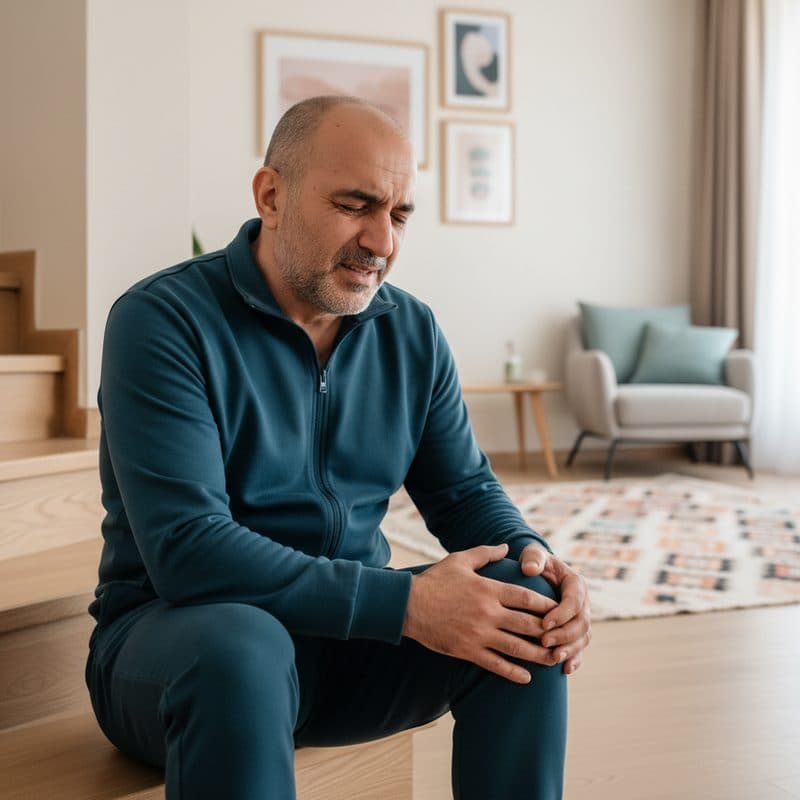
Common causes
- Overuse from running, squats, climbing stairs
- Ligament and meniscus injuries
- Osteoarthritis — age-related joint wear
- Joint inflammation (arthritis)
- Excess weight adding load to the knees
When to seek urgent help
Do not wait for a scheduled visit if you have any of these signs:
- The knee is suddenly swollen, hot and red, with fever
- The leg cannot bear weight, stepping on it is impossible
- Obvious deformity after an injury
- The knee is locked — it will not bend or straighten
- Knee pain with calf swelling and pain — call 103
Ambulance: 103 (103 from a mobile) · Unified rescue service: 911
Your specialist
Orthopedist
What to bring to the visit
- A description: when and how the pain started, whether there was an injury
- Knee images (X-ray, MRI), if you have them
- A list of medicines you take
- Shorts or comfortable clothes for the examination
Frequently asked questions
Meniscus injury: how can I tell and which doctor should I see?
A meniscus tear may cause a pop at the moment of injury; over 2–3 days the knee gets swollen and stiff and may lock or give way. See an orthopedist: they will examine the knee and decide whether you need an MRI (a meniscus does not show on an X-ray). If the knee is locked or you cannot put weight on the leg, do not wait for a scheduled visit.
Osteoarthritis or inflammatory arthritis: what is the difference?
Osteoarthritis is wear of the joint cartilage: it is more common after 45, the knee hurts with activity, and morning stiffness, if any, eases within half an hour. Inflammatory arthritis means the joint itself is inflamed: it swells, hurts after rest too, and morning stiffness lasts longer than half an hour. With signs of osteoarthritis, start with an orthopedist; with signs of inflammatory arthritis, see a rheumatologist.
Orthopedist or rheumatologist?
After injuries and for "mechanical" pain on movement — an orthopedist. If joints hurt and swell "on their own" and feel stiff in the morning — a rheumatologist.
Rheumatoid arthritis: what are the signs and when should I see a rheumatologist?
Typical signs are joint pain, swelling and stiffness that are worse in the morning and after rest; morning stiffness often lasts longer than half an hour. It tends to affect joints on both sides of the body, often starting with the small joints of the hands and feet, and can come with tiredness and a high temperature. If small joints in your hands or feet, or several joints at once, are swollen, do not put off seeing a rheumatologist.
Pain behind the knee: what could it be?
One possible cause is a Baker's cyst: a soft, fluid-filled lump at the back of the knee that in adults usually comes with osteoarthritis, arthritis or a knee injury; see an orthopedist about it. But if your calf is painful and swollen, sometimes with red or darker skin, it may be a blood clot: call 103, especially if you are short of breath or have chest pain.
Will joint injections help?
That is for the doctor to decide after an examination and imaging: injections are not a universal remedy but part of a plan for specific situations.
More in “Back and joints”
- Low back pain
Neurologist
- Neck pain
Neurologist
- Numbness in the hands
Neurologist
The information on this page is for reference only and does not replace a doctor's consultation. Only a doctor can make a diagnosis in person. If your condition worsens, call 103.