
High blood pressure: what to do, when to call 103 and which doctor to see
High blood pressure (hypertension) can go unnoticed for years, yet it is the main risk factor for stroke and heart attack. If your monitor consistently shows 140/90 or higher, that is a reason for a planned cardiologist visit — not for panic.
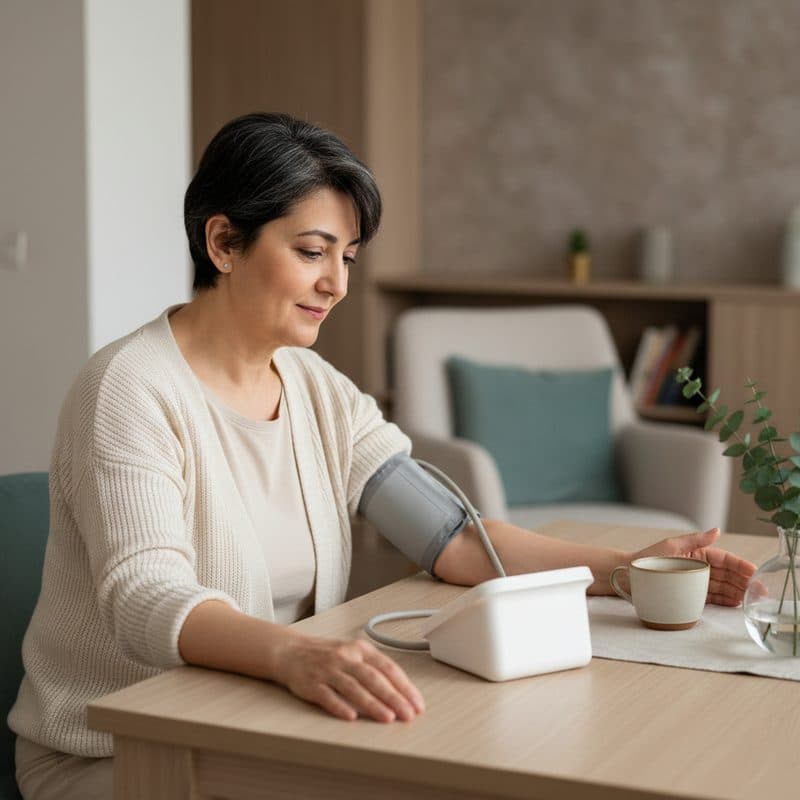
Common causes
- Family history and age-related changes in the vessels
- Too much salt, excess weight, low activity
- Chronic stress and poor sleep
- Kidney and endocrine disorders
- Certain medicines and stimulants
When to seek urgent help
Do not wait for a scheduled visit if you have any of these signs:
- Blood pressure of 180/120 or higher that will not come down — call 103
- High blood pressure with chest pain or shortness of breath
- High blood pressure with speech or vision problems, weakness in an arm or leg — call 103
- Severe headache with nausea while the pressure is high
- A nosebleed during high blood pressure that cannot be stopped
Ambulance: 103 (103 from a mobile) · Unified rescue service: 911
Your specialist
Cardiologist
What to bring to the visit
- A blood pressure diary: morning and evening readings for at least 5–7 days
- A list of medicines you already take
- Previous test results and ECGs, if you have them
- Information about heart and vascular disease in close relatives
Frequently asked questions
Blood pressure suddenly went up: what should I do and when should I call 103?
If you have chest pain, shortness of breath, a severe headache with nausea, speech or vision problems, or weakness in an arm or leg, call 103 right away without re-measuring. If there are no such signs, sit down, calm down and measure again after 5 minutes: a pressure of 180/120 or higher that is not coming down is also a reason to call 103. If the numbers are lower and there are no other signs from the “When to seek urgent help” list, write them down and see a general practitioner or cardiologist in the next few days; do not take medicines a doctor has not prescribed for you.
My pressure spiked once — is that hypertension?
Not necessarily: pressure rises with stress, coffee and pain. The diagnosis is based on repeated readings at rest — keep a diary and show it to your doctor.
What are the signs of high blood pressure?
Usually none: high blood pressure can go unnoticed for years, so the only way to know is to measure it. Very high blood pressure can cause headaches, blurred vision and chest pain. Chest pain, shortness of breath, a severe headache with nausea, speech or vision problems, or weakness in an arm or leg while your pressure is high are reasons to call 103 right away.
What blood pressure counts as high?
Under WHO criteria, hypertension is diagnosed when, on measurements taken on two different days, the upper (systolic) reading is 140 or higher or the lower (diastolic) reading is 90 or higher. What numbers you personally should aim for, your doctor will decide based on your age and other conditions. To give them real numbers to work with, measure your pressure sitting down after 5 minutes of rest, morning and evening, and write the results down for 5–7 days.
General practitioner or cardiologist?
Both are valid. A general practitioner manages uncomplicated hypertension; a cardiologist is needed for heart problems, young age or pressure that resists treatment.
Blood pressure below 90/60: which doctor should I see?
If your pressure is low and you feel dizzy or weak, or your vision goes dark, start with a general practitioner: they will look for the cause and refer you to a cardiologist or endocrinologist if needed. Call 103 if someone faints and does not come round within a minute, or if there is chest pain, shortness of breath, or a racing or irregular heartbeat.
More in “Chest and heart”
- Chest pain
Cardiologist
- Persistent cough
Pulmonologist
The information on this page is for reference only and does not replace a doctor's consultation. Only a doctor can make a diagnosis in person. If your condition worsens, call 103.